
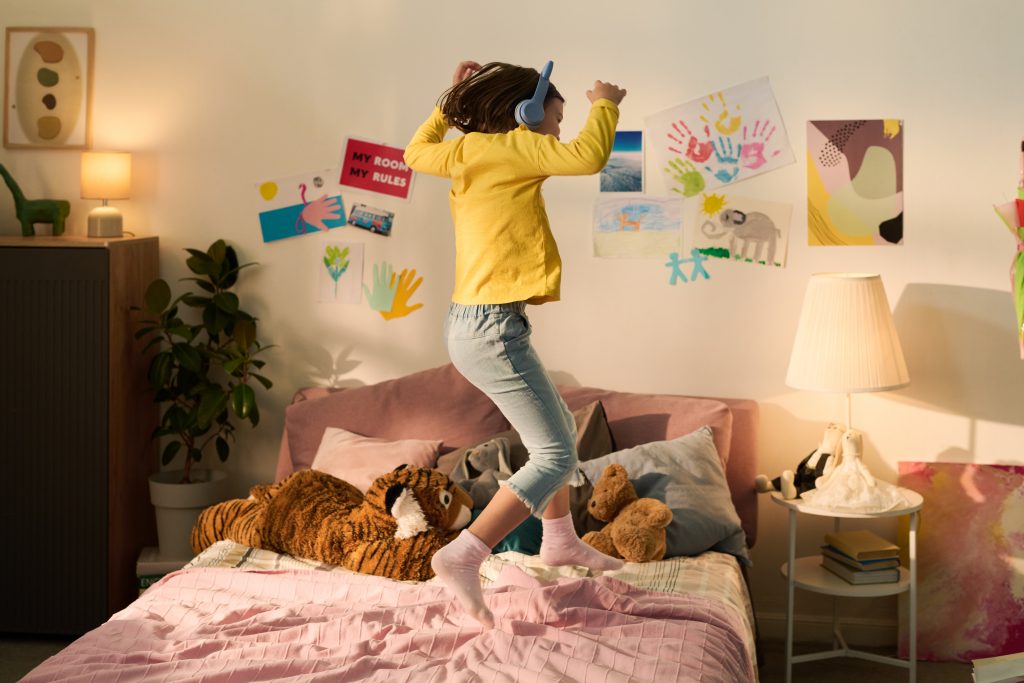
As your child enters tweenhood, you might notice a slight shift — their once open bedroom door is now closed. Some days, you might barely even catch a glimpse of them.
This increasing desire for privacy is a common milestone on your child’s path through the teen years and into adulthood. But what’s behind this sudden change, and what does it mean for your relationship?
Privacy and Independence
Your tween has shifted from wanting to be by your side 24/7. Now, they suddenly retreat to their room, close the door and maybe even lock it.
Relax, and take a deep breath. According to therapists and parenting experts, this is a normal and expected stage of development. This happens as your tween enters a phase that focuses on independence and self-discovery.
As stated in an article from Coral Care, at about age 11, tweens will begin to seek out independence. They hope to become more separate from their family and increase interest in their hobbies, which might require alone time. Also, it is common for children at this age to resist physical affection from parents. Additionally, they focus more on their relationships with friends, explaining why their bedroom is a safe space for privacy and self-discovery.
This time of independence and privacy is a key part of a child’s journey toward adulthood, according to an article from Raising Children Network. This can look like your tween attempting new things and gaining new responsibilities. They might try to make more decisions on their own and spend more alone time to discover who they are and what they are interested in.
Electronics
If your tween is allowed access to electronics, such as an iPad, phone or television in their bedroom, then that could have a strong influence on their decision to isolate themselves.
According to an article from Tanager Place, during the ages of 11 to 14, tweens begin to develop more complex friendships and dedicate more intense focus to creating relationships with shared interests. They also work to form deep bonds with other kids their age. Consequently, this can often lead them to prefer to spend their time texting friends, speaking on the phone or playing multiplayer video games.
So, before assuming your tween no longer enjoys spending time with you, consider that they may be temporarily focusing on building friendships with their peers. This is a normal part of the transition into adulthood.
Mood Swings and Hormones
As tweens’ bodies and minds prepare to enter puberty, this can come with hormonal changes. This, in turn, can lead to mood swings and shifts in emotional well-being.
According to an article from Honey Lake Clinic, depression, anxiety and mental health concerns are linked to the hormonal changes that occur during puberty. These changes most commonly occur during the ages of 8 to 13 in girls and 9 to 14 in boys. Moreover, the ages of 10 to 13 are also often associated with socially and emotionally stressful times in a child’s life. This is partially due to the drama, friendship and mental health struggles that happen because of school and pressure to succeed or fit in.
Depression, stress or the expected age-associated changes in hormones can lead to symptoms like moodiness, irritability and an increase in sleep. This might be the cause of why your tween is spending more time in their bed or requesting alone time.
What Should You Watch Out For?
As a parent, you should never be afraid to check in on your tween if their door is closed. You are their guardian for a reason, and your job is keep them safe and monitor them. However, the main goal is to ensure that you are not aiming to create a sense of control. Instead, you want to simply make it clear that you are checking in on their emotional and physical well-being.
If you notice your tween hiding in their room more often and shutting the door, consider knocking lightly and popping your head in every hour or two to ask how they’re doing. As a parent, this allows you to remain vigilant about their activities in their room — whether they are talking on the phone, sleeping, etc. Additionally, you can keep tabs on their mental health and behavior without invading their privacy or independence.
Some parenting forums also recommend only allowing a television in the living room and setting a limit on phone time throughout the day. In turn, this can ensure that when your child spends countless hours in their room, it is not simply just to stare at a screen. Instead, they develop a sense of individuality, independence and enjoy hobbies and alone time.
Related Articles
Dear Diary: Balancing Your Tween’s Privacy and Safety
How Do You Talk to Your Teen About Depression?