
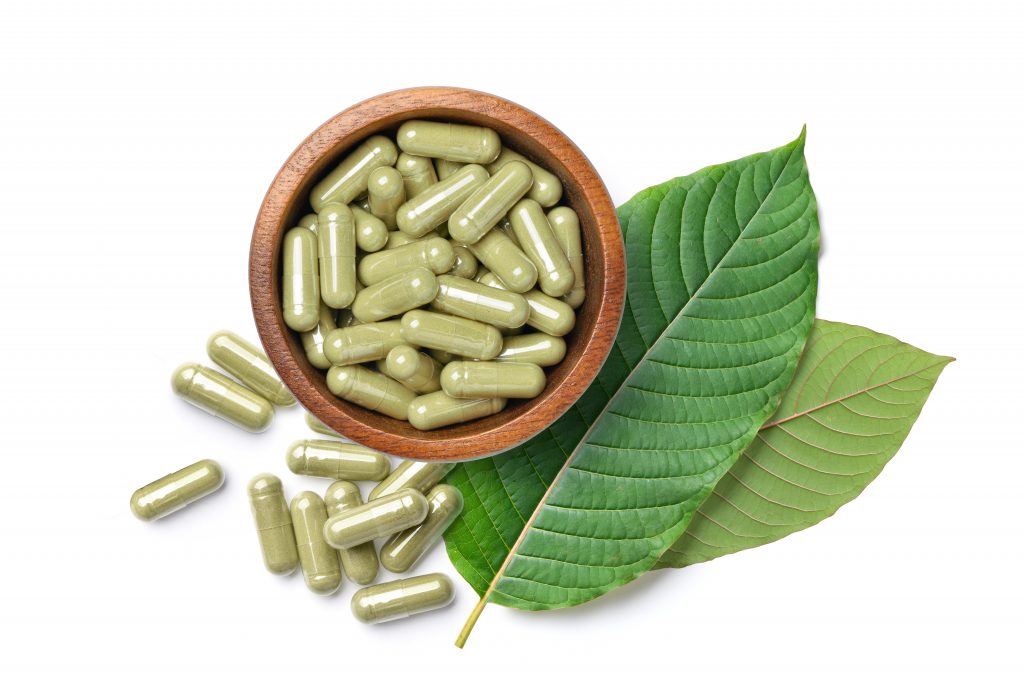
There’s growing alarm among parents and health experts: minors are increasingly using kratom, an over-the-counter herbal substance that carries serious risks, including addiction, poisoning and long-term harm.
What Is Kratom?
Kratom comes from the leaves of Mitragyna speciosa, a tropical tree native to Southeast Asia. According to the U.S. Drug Enforcement Administration (DEA), in the U.S. it is sold as powder, tea, capsules or extracts. In small amounts it can act as a stimulant. In larger amounts it produces sedative, opioid-like effects. The DEA also identifies two main active compounds, mitragynine and 7-hydroxymitragynine (7-OH), which bind to opioid receptors.
Why Teens Are Attracted to It
Part of the danger comes from how easily accessible kratom products are. The U.S. Food and Drug Administration (FDA) warns that 7-OH-enhanced kratom, a potent engineered variant, is increasingly available in child-appealing forms such as gummies, powdered drink mixes and snack-like packets, often with unclear labeling. Health authorities in Missouri report that 7-OH is designed to be addictive. It is many times stronger than natural kratom and can cause respiratory depression, overdose or even death.
Signs of Use in Kids
Because kratom acts on opioid pathways, regular use can lead to dependence. The National Institutes of Health (NIH) warns that stopping suddenly may lead to withdrawal symptoms including muscle aches, insomnia, irritability and cravings. Parents or educators may also notice:
• Changes in mood such as anxiety, depression or irritability
• Physical symptoms such as sweating, chills, tremors or goosebumps
• Constricted pupils or prolonged sedation
• Behavioral changes such as secrecy, unexplained supplement packaging or missing money
In more severe cases, dependence can drive risky behavior, and quitting too quickly can intensify withdrawal. The NIH also notes that long-term use has been linked to seizures, high blood pressure and liver problems.
Where Do Kids Get It?
Kratom’s legal and loosely regulated status makes it alarmingly easy to buy. The FDA has issued warning letters to companies selling 7-OH products in gummies, shots and other edible forms. These items are often sold in smoke shops, gas stations and online. Many are not packaged in child-resistant containers, and minors can obtain them with no age check. Authorities also caution that some kratom products have tested positive for salmonella, according to FDA investigations.
Health Risks and Consequences
Short-term kratom use can cause nausea, itching, sweating, rapid heartbeat, confusion and constipation. According to the FDA, high doses or synthetic 7-OH formulations may trigger seizures or life-threatening respiratory depression. Chronic use has been linked to liver toxicity, psychotic symptoms and physical dependence.
There is also a contamination risk. The FDA has connected kratom products to multistate salmonella outbreaks. Because some items are marketed as herbal blends rather than explicitly labeled as kratom, consumers may not realize what they are taking.
Regulation and Addiction
Unlike many controlled substances, kratom leaf itself is not scheduled under U.S. federal law. However, the FDA is working to restrict concentrated 7-OH products because of their high-abuse potential. The agency states that 7-OH is not lawful in dietary supplements or foods and is not approved for any medical purpose.
Poison control centers are seeing a growing number of kratom-related emergencies. America’s Poison Centers reports that in the first half of 2025 there were more than 1,600 exposure cases, including 165 involving 7-OH. Symptoms ranged from agitation and confusion to loss of consciousness and seizures.
What Parents, Educators and Caregivers Can Do
• Open communication: Talk clearly and calmly with children about kratom, what it is and why it can be dangerous, especially in concentrated forms.
• Watch for signs: Pay attention to mood changes, physical symptoms and unexplained packaging or spending.
• Secure substances: Store any herbal supplements in locked or inaccessible locations.
• Get professional help: If you suspect a child is misusing kratom, contact a pediatrician, addiction specialist or mental health provider.
Why This Matters
Kratom may be legally sold, but that does not make it safe. Even natural kratom leaf is not approved by the FDA, and the agency has stated that 7-OH products carry a serious risk for abuse, overdose and long-term health problems. With little regulation, no mandatory child-resistant packaging and flavors that appeal to kids, kratom is becoming a quiet but significant public health threat.
Final Thought
Kratom’s “herbal supplement” label hides its real risks. For children, it is not a harmless wellness option but a pathway to dependence and harm. Parents, educators and health professionals can make a difference by staying informed, speaking openly and acting early.